
Are your eyes dry and uncomfortable? You may have blepharitis.
Read more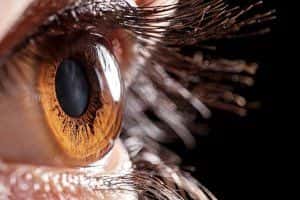
The cornea is the clear, dome-shaped outer layer of your eye. It is comprised of five layers. Each is responsible for a separate function. This collection of cells, fluids and proteins must remain clear and undisturbed in order for you to see well, and to shield your eyes from dust and germs. The cornea protects your lens and iris, and is responsible for about 70 percent of the eye’s focusing power.
Unfortunately, the cornea is susceptible to a range of disorders, which are collectively referred to as corneal disorders. The following are some common corneal disorders that can affect this sensitive and important part of the eye.
Corneal disorders can be frightening, but researchers have developed many treatments. If you have any symptoms of corneal disorders, call us today so we can discuss your treatment options.
-
Dry Eyes? Blepharitis Could Be to Blame
Category: Newsletters
-
Protect Your Eyes for Life: Healthy Aging Month
Category: Newsletters
-
Ensure Your Child's Eyes Are Ready to Go Back to School
Category: Newsletters
-
Vision Loss and Mental Health
Category: Newsletters
-
Treatment Options for Presbyopia
Category: Newsletters
Over 40 and finding it hard to see close-up? One of these presbyopia treatment options could improve your vision.
Read more -
Summertime Allergies and Your Eyes
Category: Newsletters
-
Signs You May Have Macular Degeneration
Category: Newsletters
-
Glaucoma and You: The Importance of Eye Exams
Category: Newsletters
-
Important Healthy Eye Habits for Kids
Category: Newsletters
-
Healthy Vision Month
Category: Newsletters
-
Presbyopia eye drops
Category: Newsletters
Would you like to stop squinting when you look at close objects? A new kind of eyedrops can improve presbyopia, an age-related vision problem.
Read more -
Dry Eye
Category: Eye Symptoms
Sometimes your eyes don’t make enough tears or the tears evaporate too fast because they don’t have the right amount of compounds in them. This is called dry eye. Up to 5% of Americans complain of some form of dry eye. Individuals who wear contact lenses or have undergone LASIK or other types of
Read more -
Wandering Eye
Category: Pediatric Vision
A wandering eye is a type of eye condition known as strabismus or tropia, and it may be caused by damage to the retina or muscles that control the eye, stroke or brain injury, or an uncorrected refractive error like farsightedness. With a wandering eye, one eye deviates or wanders in a different direction
Read more -
Reading and Writing
Category: Pediatric Vision
For many adults, reading and writing come so naturally that they seem almost effortless. However, reading and writing are actually complicated skills that take significant effort to learn. For example, reading involves recognizing letters, associating letter combinations with their corresponding sounds,
Read more -
Dyslexia
Category: Pediatric Vision
Dyslexia When a child has difficulty reading due to problems recognizing speech sounds and learning how they connect to words and letters, the condition is known as dyslexia, a learning disorder caused by genetic traits that disturb how the brain works. It affects areas of the brain dealing with language
Read more -
Crossed Eyes
Category: Pediatric Vision
Crossed eyes, also known as strabismus, refer to a condition in which both eyes do not look at the same place at the same time. Often times they both turn in, but may also turn out. What Causes Crossed Eyes? The six muscles attached to each eye, which control how it moves, receive signals from the brain.
Read more